What happens after the activity
Young people remember the evenings. The daytime programme is what the brochure is about; the evenings are what the week is about.
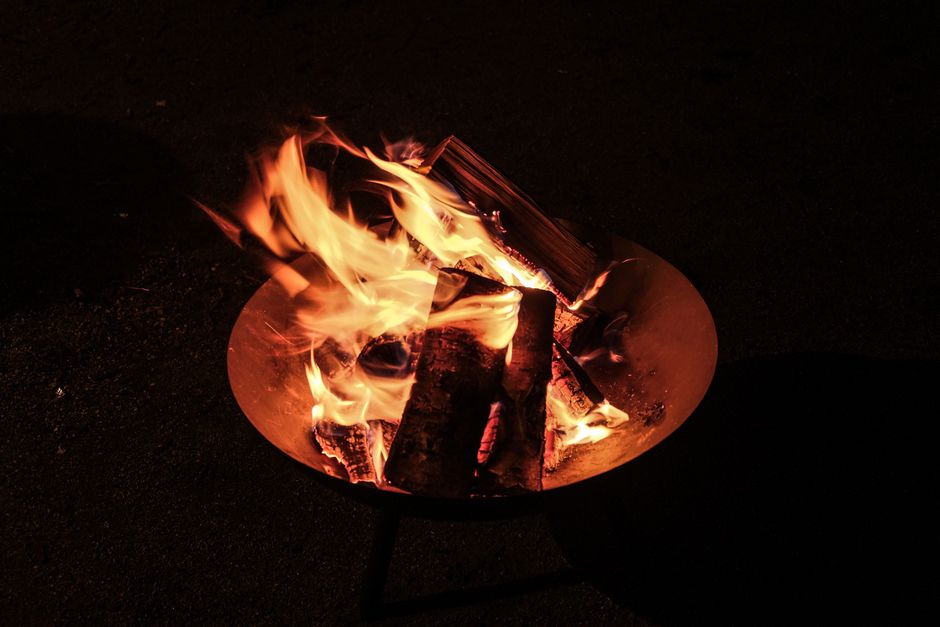
Low energy, not no energy
An evening that tries to match the daytime for excitement produces an overtired group and a difficult night. Something slower that still has a shape — a game, a story, a shared task — works far better than either high energy or complete freedom.
Everyone has a place
The evening is when a group either includes its quieter members or quietly stops doing so. Activities that require participation from everyone in small ways do more for group cohesion than anything the daytime programme can achieve.
End the day deliberately
A clear closing — same time, same form, every night — settles a group and makes bedtime a routine rather than a negotiation. Improvised endings cost an hour that nobody has.
Leaders need an evening too
A rota that leaves the same adults on duty every night produces exhausted leaders by midweek, which is exactly when judgement matters most. Scheduling genuine time off for staff is a safety measure, not a perk.
Leave room for nothing
A completely programmed week gives young people no time to form their own connections. The gaps are not wasted time; they are where most of what people remember actually happens.